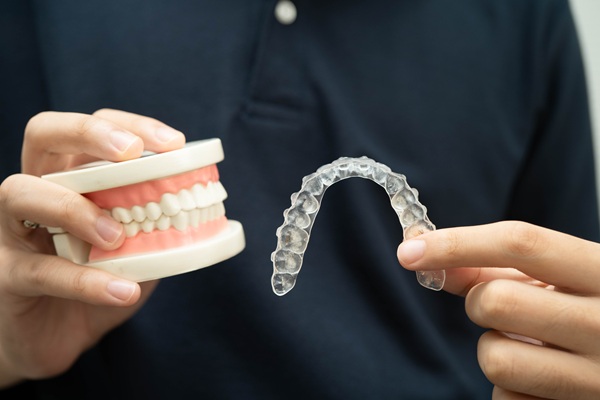
If you are excited to finish active clear aligner treatment, an Invisalign dentist is a trusted partner who can make your transition to the retention phase as smooth as possible. Reaching the final set of clear aligners is a major milestone in your smile journey. While the most visible work is finished, the last few weeks of your treatment plan are the most important for long-term success. Here is what you can expect as you complete your last set of clear aligners.
Refinement trays: the final stretch of active treatment
Even after the patient finishes the initial series of clear aligner trays, an Invisalign dentist will identify small areas that may need a little more attention. This period may involve a short series of refinement trays. These additional aligners can fix tiny gaps or minor misalignments that may not have met the patient's preferences during the active treatment phase. The refinement trays focus on the small details that can make a massive difference in the final appearance of the patient's smile.
The final checkup of active treatment
During the final checkup, the Invisalign dentist focuses on several key areas to ensure the smile is ready. These areas include:
- Comparing the actual tooth positions to the original digital map
- Removing the small tooth-colored attachments from the enamel surface
- Checking the gum health around the new teeth
- Smoothing any uneven edges to create a balanced and polished look
- Taking digital scans to document the final transformation
When the dental team does these finishing touches, they ensure that the patient's results are beautiful and stable for years to come.
Establishing functional bite alignment
A straight smile is only one part of the puzzle. A healthy bite is just as important for the patient's oral health. An Invisalign dentist spends time during these final weeks making sure the top and bottom teeth fit together harmoniously. If the patient's bite is uneven, it can lead to chipped teeth, worn enamel, or jaw pain. Proper alignment means the force of chewing is evenly distributed across the mouth. This stability prevents future dental issues and keeps the teeth in their new, healthy positions.
Moving into the long-term retention phase
The day that the patient finishes their last active align is a celebratory one. However, it also marks the start of the retention phase. Teeth have a natural memory and will gradually drift back toward their pre-treatment position. A custom-made retainer acts as a security guard for the new alignment. Without a retention plan, the patient and dentist alike can lose months to years of hard work.
To maintain a straight smile, the patient will need to adopt the following habits:
- Wearing the custom retainer every night without fail
- Keeping the retainer clean to prevent the buildup of bacteria
- Bring the appliance to dental checkups for a professional inspection
- Replace the retainer if it becomes loose or cracked
- Storing the appliance in a hard case when it is not in use
Remaining consistent with the habits above is one of the most effective ways to protect the time and money spent on clear aligner therapy.
Finish active treatment with the help of a trusted dental professional
Choosing an Invisalign dentist means you have a trusted dental professional overseeing the entire journey of your care. You deserve a smile that stays straight and healthy for a lifetime. If you are ready to finalize your clear aligner treatment plan, call our San Francisco office to schedule your next visit.
Request an appointment here: https://www.gearydental.com or call Geary Dental Center at (415) 702-1310 for an appointment in our San Francisco office.
Check out what others are saying about our dental services on Yelp: Invisalign Dentist in San Francisco, CA.
Recent Posts
A restorative dentist helps patients regain healthy, functional, and beautiful smiles by repairing damaged or missing teeth. Dental problems such as decay, cracks, and tooth loss can affect appearance and oral health. Restorative treatments improve the function of teeth while also enhancing confidence.Cavities are among the most common dental issues. A restorative dentist treats them…
Dental fillings are the most common way to repair simple cavities and restore normal tooth function. Because there are so many options in dental filling materials, choosing the right type of dental filling depends on factors such as durability, appearance, and cost. Understanding these options helps the patient make an informed decision.Dental fillings repair teeth…
If you're getting tooth removal and dentures, don't worry; the procedure is safe and comfortable. Both procedures involve the removal of your diseased teeth and replacing them with new artificial teeth that look and feel very much like your original teeth—sometimes even better! This article will provide you with a basic overview of tooth removal…
A preventive dentist is vital in protecting long-term oral health by identifying and addressing risks before they develop into serious concerns. From proactive care to personalized guidance, a preventive dentist helps reduce the likelihood of cavities, gum disease, and other common dental conditions. By encouraging consistent checkups and healthy habits, this approach supports stronger teeth,…